Pool Chemicals 101
Written by webtechs

Pool Chemicals 101

Pool Chemicals 101

There are several pool care products available and not only is it difficult to understand what their role is in maintaining pool water balances. Keep reading to learn more about pool chemicals and what they for your swimming pool.

What Are the Mainly Essential Pool Chemicals?

What Do the Pool Chemicals Do?

Algaecides:

These are put to use to hinder the growth of algae in the pool and to provide preventative measures, so algae doesn’t grow from the beginning.

Alkalinity Balancers:

These maintain a stable range of alkalinity to guarantee your swimming experience is a pleasant one.

Alkalinity Increaser:

It increases the levels of alkalinity. When you have low complete alkalinity, it could cause the pool water to come to be corrosive to plasters, metals and other pool materials causing carving, staining or deformation of surfaces in and around the pool. Proper Alkalinity hinders these issues and removes what is informally called “pH bounce” providing a shield against big differences of the pH in the water. For pools that have a vinyl liner, the alkalinity ranges should be 80-120 and 125-150 is perfect for other kinds of pools.

Calcium Hardness Increaser:

This increases the levels of calcium hardness in the swimming pool water. Lower calcium levels cause hardness problems and can cause the pool water to become caustic, resulting in carving, staining, and pool finish deformation. Plaster impacted by this might become unpleasant and abrasive for those swimming. Irregular plaster could also be a source of algae issues and making the cleaning process a lot more difficult.

Chlorine Stabilizer:

This aids in stabilizing the pool chlorine and hinder chlorine loss because of the effects of the sun. The pool filter or backwash is required to be cleaned prior to the addition of the stabilizer to the pool. The pH lever of the pool needs to range from 7.2 to 7.8.

Cyanuric Acid

By itself, chlorine doesn’t like to stick around in water—particularly when it comes to sunlight. The reasoning you might require cyanuric acid. Cyanuric acid is a pool stabilizer that assists in keeping more chlorine in the pool, which means having a cleaner pool, and paying less on chlorine. A lot of chlorine tablets have cyanuric acid, but it’s critical not to have too little or too much of it in your pool to avoid misuse of chlorine and your pool getting damaged.

Hardness Balancers:

Balancers maintain your pool’s water in the perfect calcium hardness range of 200-300 ppm.

pH Balancers:

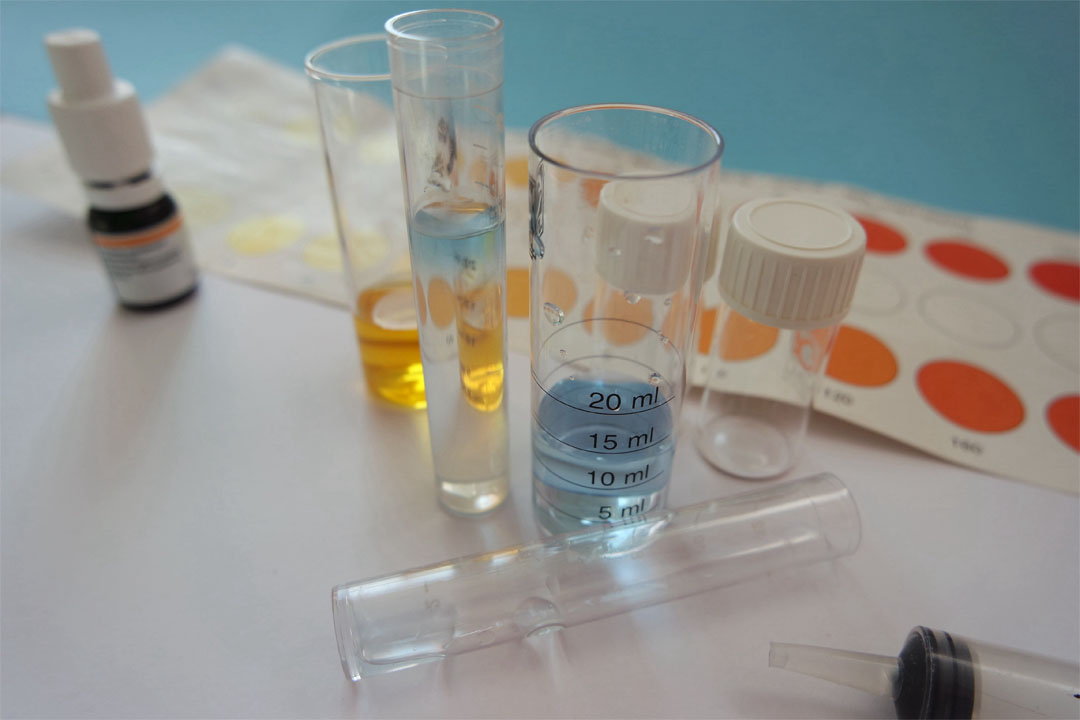
These balancers keep a healthful pH level in your pool. pH Down is a chemical in a granulated form intended to gradually decrease the PH level of the pool water. Nevertheless, pH Increase accomplishes the opposite. pH should preferably range around 702 and 708 for perfect water quality and chlorine action. For vinyl lined pools, the perfect pH is 7.6. Without fail use an accurate and respected pH test kit because it is one of the most essential facets of pool maintenance.

Sanitizers:

Probably one of best chemicals that can be utilized to terminate bacteria and keep algae, viruses, and other pollutants from developing in your water. The 2 most favorable kinds of sanitizers are chlorine and bromine.

Shock:

As the sanitizer is overburdened, pool shocks clean the pool following a lot of people having used it following a rainstorm. By shocking your pool, you terminate bacteria outside of impacting the chlorine levels. Pool shock goes a long way in maintaining the pH balance

Pool Service in Gilbert, AZ

Pool Service Gilbert is a family-owned and operated business that has been serving the valley since 2004. We offer reliable and affordable pool services, including repairs, equipment installations and more! Our service area includes Ahwatukee, Chandler, Gilbert, Mesa, Phoenix and Tempe, Arizona. Contact us for your upcoming pool service needs or call us at 480-748-3022 for more information.

More Articles About Pool Care

How Much Does It Cost To Replace A Pool Pump?
Written by webtechs

How Much Does It Cost To Replace A Pool Pump?

Bubbles in your pool water may seem innocent, but this is not a good sign at all. Bubbles are a clear indication of an air leak in your pump. Dirty water can result from an air leak and can pose numerous health hazards. Have a pool cleaning service check this issue out immediately.

When Is It Time To Replace A Pool Pump

There are two elements in pool pumps: the pump device and the motor device. Either one could fail and will need your attention. indicators that it’s time to replace your pool pump comprise of:

  • Total motor failure
  • Loud noises coming from the motor
  • The pump isn’t pumping water, or the pump is leaking

Pool-Pump-Repair-Near-Me-Gilbert-AZ

Replace the Pump Or Motor

If the pool pump is somewhat new (ten years old or less) and the exterior of the pump does not show indications of degradation, just replacing the motor could be a good idea. When the pump has some age to it, and the motor replacement parts are exhausting to track down or when the cost of the motor replacement is higher than 75% of the cost of a total pump replacement, total pump replacement is the route you should take. If the pump is still under its warranty, then totally replace the pump. Motor replacement is a lot less expensive than replacing the entire pool pump. Replacing the pump yourself costs somewhere between $25 to $200, whereas hiring a professional could cost an additional $40 to $100.

DIY Or Hire A Pro?

Pool pump replacement requires fundamental knowledge of and confidence level with electrical undertakings. Failing to take adequate precautions or to properly wire a new pool pump can lead to considerable injury, new pump damage, or even property damage. If you are not confident working with electrical parts, replacing the pool pump isn’t a good DIY undertaking and you would be better off hiring a qualified pool professional.

Pool Pump Replacement In Gilbert, AZ

Pool Service Gilbert is a family-owned and operated business that has been serving the valley since 2004. We offer reliable and affordable pool services, including repairs, replacement, equipment installations and more! Our service area includes Ahwatukee, Chandler, Gilbert, Mesa, Phoenix and Tempe, Arizona. Contact us right here for your upcoming pool service needs! Call us at 480-748-3022 for more information.

How Much Does It Cost To Replace A Pool Pump?

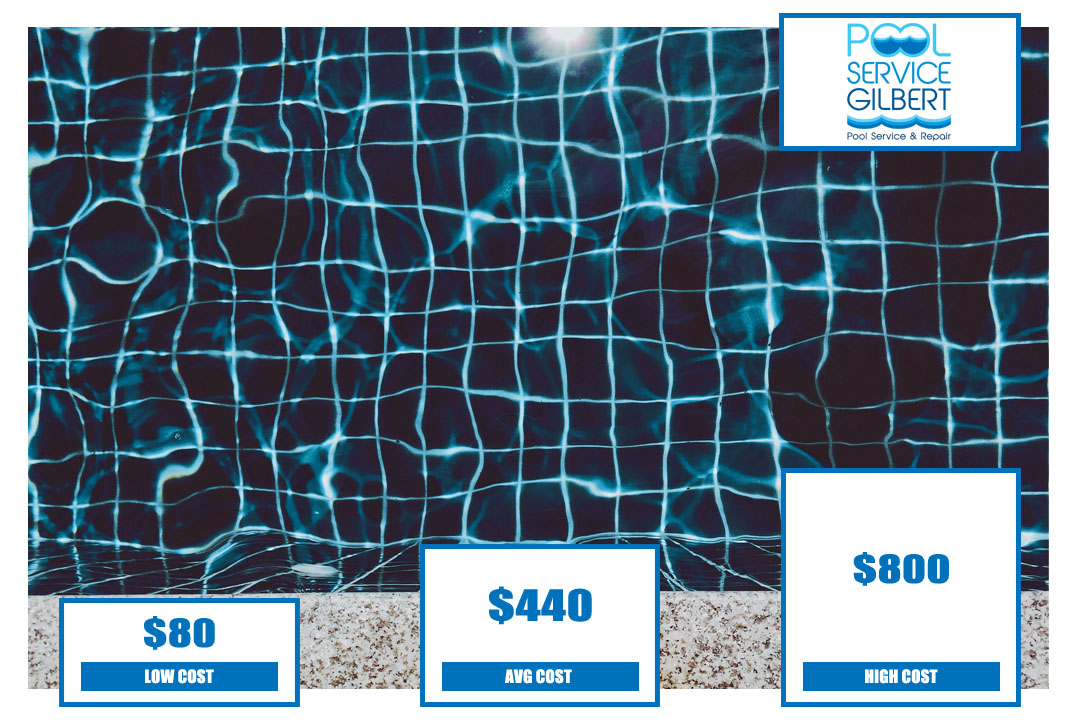
On average, replacing your pool pump costs around $440, costs ranged from around $80 to $800 for pool pump replacement in the US in 2020 as reported by to improvenet.com. These averages include labor.

Pool Pump Replacement Cost

Owning a pool involves routing maintenance, comprising of repairing the pool liner, repairing the pool heater, and replacing the pool pump. Your pool pump is a vital component of the pool’s filtration system, and as time goes on, they wear out. On average, higher quality pool pumps should be replaced every 8 to twelve years. If you do it yourself it includes the cost of the replacement pool pump, which could run from $150 to $800 or more subject to the kind of pump. When you hire a professional, the cost includes the cost of labor, that is an added $80 to $200.

How Much Does It Cost To Replace A Pool Pump?

Signs You Need To Replace A Pump

There are five obvious signs to look for when it comes to pool pump repairs, listed above. Rumbling noises should be noticed right away. Excessively-vibrating pumps will create sometimes loud and consistent noises. The most common reason for the noise is a pump coming loose or dislodged. Get this issue fixed right away before it becomes a larger problem. The good news for pool owners is this issue won’t require a costly repair.

Grinding sounds can be confused as rumbling at first. But, there is a big difference between these various sounds. Grinding means your pump needs new bearings. Older bearings can lead to motor overheating. Bearings are typically cheap, but replacing them requires opening the pump. This is a task best left to the pool service professionals.

Even a well-maintained and routinely checked pump will wear out over time. These pool pumps can last between 8 to 12 years. However, many pool owners may notice failure at an earlier age. If your pump is getting up their in age, it’s time to start thinking about repairs and/or replacement.

Bubbles in your pool water may seem innocent, but this is not a good sign at all. Bubbles are a clear indication of an air leak in your pump. Dirty water can result from an air leak and can pose numerous health hazards. Have a pool cleaning service check this issue out immediately.

When Is It Time To Replace A Pool Pump

There are two elements in pool pumps: the pump device and the motor device. Either one could fail and will need your attention. indicators that it’s time to replace your pool pump comprise of:

  • Total motor failure
  • Loud noises coming from the motor
  • The pump isn’t pumping water, or the pump is leaking

Pool-Pump-Repair-Near-Me-Gilbert-AZ

Replace the Pump Or Motor

If the pool pump is somewhat new (ten years old or less) and the exterior of the pump does not show indications of degradation, just replacing the motor could be a good idea. When the pump has some age to it, and the motor replacement parts are exhausting to track down or when the cost of the motor replacement is higher than 75% of the cost of a total pump replacement, total pump replacement is the route you should take. If the pump is still under its warranty, then totally replace the pump. Motor replacement is a lot less expensive than replacing the entire pool pump. Replacing the pump yourself costs somewhere between $25 to $200, whereas hiring a professional could cost an additional $40 to $100.

DIY Or Hire A Pro?

Pool pump replacement requires fundamental knowledge of and confidence level with electrical undertakings. Failing to take adequate precautions or to properly wire a new pool pump can lead to considerable injury, new pump damage, or even property damage. If you are not confident working with electrical parts, replacing the pool pump isn’t a good DIY undertaking and you would be better off hiring a qualified pool professional.

Pool Pump Replacement In Gilbert, AZ

Pool Service Gilbert is a family-owned and operated business that has been serving the valley since 2004. We offer reliable and affordable pool services, including repairs, replacement, equipment installations and more! Our service area includes Ahwatukee, Chandler, Gilbert, Mesa, Phoenix and Tempe, Arizona. Contact us right here for your upcoming pool service needs! Call us at 480-748-3022 for more information.

Ways To Resurface A Swimming Pool
Written by webtechs

How To Remove Calcium From Pool Tile

Ways To Resurface A Swimming Pool

This post is going to discuss calcium scale, a type of calcium carbonate, also known as lime scale. A lot of the Us has hard water, in which could produce calcium deposits forming on your pool tiles.

What is the Cause Scale in a Pool?

Calcium carbonate occurs due to pool water evaporating during summer months around the water line in the pool. Calcium crystals form as nodules that dot the surface of your pool tile or metal surfaces and can even cause encrusted deposits in the corners of your pool. This happens due to high calcium hardness that is caused by elevated pH levels, high alkalinity, and increased water temperatures.

How You Can Prevent Calcium Scale?

  • Stay away from using calcium hypochlorite shock, which adds calcium to your pool.
  • Maintain your pH and alkalinity reduced by having a 7.2 – 7.4 pH level and 80 ppm alkalinity.
  • Use a purifier to cluster calcium together to be filtered in the pump.
  • Balance the Langelier Saturation Index (LSI) of your pool. This is what establishes the propensity to scale. An LSI calculator will receive 5 water test results and will do the math for you.

How You Can Remove the Calcium Scale?

You can remove calcium scale build-up utilizing muriatic acid or using a dry acid that gets dissolved in water. You can use a sponge for smaller areas and/or using a watering pot for the larger areas. Make sure that you wear gloves and safety goggles for the removal of scale with acid. It releases noxious fumes, will fizzle and bubble as the calcium scale build-up gets dissolved. Acid magic can also be used.

Removal of Calcium Deposits on Pool Tile:

Lower your water level to the base of the tiles and prepare the acid solution. Apply your solution with a broad sponge or wire brush. Use a wire brush or putty knife to assist you in the removal of the deposits. Rinse it off with water after one minute and then re-apply as needed. Using a pumice stone or pool stone can also help to remove calcium scale with a bit of hard work. Having a bead blasting company to come to your house and remove the scale. A lot of them use magnesium sulfate, that is a less aggressive form of salt rather than using beads or sand.

Removing Calcium Deposits on Your Pool Plaster:

A lot of white plaster pools are going calcium scale all over the place, but you will not notice it since the plaster is white. Black or grayish plaster pools will also have calcium layer, but it is rather visible. Utilizing acid washing, darker colors can be restored. For the removal of calcium, start with a pool pumice stone and determine if you can do the entire pool by sanding off the calcium. Or draining the pool and having it acid washed or pressure washed.

The Removal of Calcium on Efflorescence on Your Stonework and Tile:

Comparable to calcium scale produced by water, efflorescence happens in grout in between stone or tiles close to water fixtures. No matter what is causing the moisture to come from backside of the tile or stone throughout the grout will produce calcium. This is the same kind of process that produces stalagmites. Occasionally the moisture comes from the pool itself. A sealer can be used on the tiles to help act as a barrier. For larger stone or tile that are above the pool water, you might need to seal the water source for the prevention of efflorescence. Even if your water is hard water, you can manage and prevent calcium deposits with a little hard work, cleaning solutions and ideal water balance.

Calcium Removal In Gilbert, AZ

Pool Service Gilbert is a family-owned and operated business that has been serving the valley since 2004. We offer reliable and affordable pool services, including acid washing, repairs, equipment installations and more! Our service area includes Ahwatukee, Chandler, Gilbert, Mesa, Phoenix and Tempe, Arizona. Contact us right here for your upcoming pool service needs!

More Articles About Pool Care

1 7 8 9