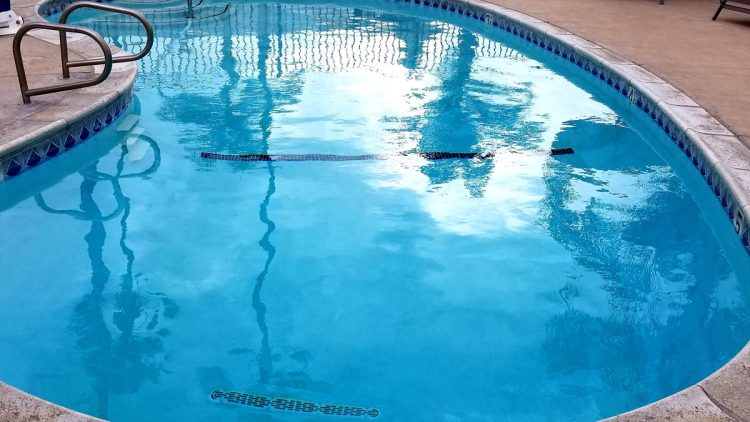
Swimming pool maintenance costs can vary based on the size and type of the pool, your location, and how much of the maintenance you handle yourself versus hiring professionals. Here’s a general breakdown of potential maintenance costs:
Regular Maintenance Costs
Chemicals:
Chlorine: $50 to $100 per month.
pH Balancers: $10 to $30 per month.
Algaecides and Other Chemicals: $20 to $50 per month.
Cleaning Supplies:
Skimmers, Brushes, and Nets: $20 to $100 for periodic replacements.
Vacuum Systems: $200 to $800 for manual or automatic models.
Energy Costs:
Pump and Heater: $30 to $150 per month, depending on usage and local electricity rates.
Water:
Top-Off: $10 to $50 per month, depending on water loss and local rates.
Professional Services
Weekly or Biweekly Pool Service:
Basic Service: $80 to $150 per visit, covering cleaning, chemical balancing, and minor maintenance.
Full-Service: $150 to $300 per visit, including more extensive cleaning and equipment checks.
Seasonal Maintenance:
Opening and Closing: $150 to $500 per service, depending on the pool’s size and complexity.
Repairs and Replacements:
Pump or Heater Repairs: $100 to $500, depending on the issue.
Tile or Surface Repairs: $200 to $1,000 or more, depending on the extent of damage.
Annual Costs
Total Estimated Annual Maintenance Costs: $1,200 to $3,000, including chemicals, cleaning supplies, energy, water, and professional services.
Factors Affecting Costs
Pool Type: In-ground pools generally have higher maintenance costs than above-ground pools.
Size and Features: Larger pools or those with additional features like waterfalls or spas may incur higher maintenance costs.
Climate: Pools in warmer climates may require more frequent cleaning and chemical balancing.
Regular maintenance is crucial to keep the pool in good condition and prevent more costly repairs. Balancing DIY tasks with professional services can help manage costs effectively.
Pool Care In Gilbert, AZ
Pool Service Gilbert is a family-owned and operated business that has been serving the valley since 2004. We offer reliable and affordable pool services, including repairs, replacement, equipment installations and more! Our service area includes Ahwatukee, Chandler, Gilbert, Mesa, Phoenix and Tempe, Arizona. Contact us right here for your upcoming pool service needs! Call us at 480-748-3022 for more information.

The cost to retile a pool can vary widely based on several factors, including the size of the pool, the type of tiles you choose, the complexity of the installation, and your location. Here’s a rough breakdown of potential costs:
Type of Tile: Different tiles have different price points. For example:
Ceramic or Porcelain Tiles: $5 to $15 per square foot.
Glass Tiles: $15 to $30 per square foot.
Natural Stone Tiles (like slate or travertine): $20 to $50 per square foot.
Pool Size: The total cost will depend on the pool’s surface area. For a standard residential pool, the average size is around 400 to 600 square feet.
Labor Costs: Installation costs can range from $10 to $30 per square foot, depending on the complexity of the job and local labor rates.
Additional Costs:
Preparation and Repair: If the pool surface needs repair before tiling, this can add to the cost.
Demolition: Removing existing tiles or surfaces may incur additional expenses.
Miscellaneous Supplies: Costs for grout, adhesive, and other materials.
Estimated Total Costs
Basic Ceramic or Porcelain Tiles: $6,000 to $12,000 for a 600-square-foot pool.
Glass Tiles: $12,000 to $24,000 for a 600-square-foot pool.
Natural Stone Tiles: $15,000 to $30,000 or more for a 600-square-foot pool.
Keep in mind these are rough estimates. It’s best to get quotes from local contractors who can provide a more accurate estimate based on your specific pool and location.
Pool Care In Gilbert, AZ
Pool Service Gilbert is a family-owned and operated business that has been serving the valley since 2004. We offer reliable and affordable pool services, including repairs, replacement, equipment installations and more! Our service area includes Ahwatukee, Chandler, Gilbert, Mesa, Phoenix and Tempe, Arizona. Contact us right here for your upcoming pool service needs! Call us at 480-748-3022 for more information.
Dealing with a green pool can be frustrating but is generally manageable with the right approach. Here are steps to help you clear up a green pool:
Test the Water: Use a pool water testing kit to check the pH, chlorine levels, alkalinity, and calcium hardness. This helps determine the extent of the problem and guides treatment.
Adjust pH Levels: Ensure the pH of the pool water is between 7.2 and 7.6. If it’s too high (alkaline), use pH reducer. If too low (acidic), use pH increaser.
Shock the Pool: Use a pool shock treatment (chlorine shock) to significantly raise chlorine levels and kill algae and bacteria. Follow manufacturer instructions for dosage based on pool size.
Algaecide Treatment: Consider using an algaecide to kill existing algae and prevent further growth. Choose a suitable algaecide based on your pool type (saltwater, chlorine, etc.).
Brush and Vacuum: Brush the pool walls and floor to loosen algae and debris. Vacuum the pool thoroughly to remove the dislodged algae.
Filter and Circulation: Run your pool filter continuously until the water clears. Backwash or clean the filter as needed to maintain proper filtration.
Retest and Repeat: Retest the water after 24 hours and repeat shock treatment or other steps as necessary until the pool water clears up.
Preventative Maintenance: Once the pool is clear, maintain proper chlorine levels and pH balance regularly. Ensure good circulation and filtration to prevent future algae growth.
Professional Help: If the problem persists or seems overwhelming, consider consulting a professional pool service for a more thorough assessment and treatment.
By following these steps diligently and maintaining regular pool maintenance practices, you can effectively clear up a green pool and keep it clean and clear throughout the swimming season.
Pool Maintenance In Gilbert, AZ
Pool Service Gilbert is a family-owned and operated business that has been serving the valley since 2004. We offer reliable and affordable pool services, including repairs, equipment installations and more! Our service area includes Ahwatukee, Chandler, Gilbert, Mesa, Phoenix and Tempe, Arizona. Contact us right here for your upcoming pool service needs!
he cost of replacing a sump pump can vary based on several factors, including the type of pump, complexity of installation, and your location. Here’s a general overview of sump pump replacement costs:
Types of Sump Pumps:
Submersible Sump Pump:
Cost: $150 – $400
Installation: $300 – $500
Pedestal Sump Pump:
Cost: $100 – $250
Installation: $300 – $500
Additional Costs:
Labor Costs: Typically between $300 and $500, depending on the complexity of the installation and local labor rates.
Materials: Additional piping, fittings, and accessories may add $50 – $100 to the total cost.
Disposal of Old Pump: Some contractors may include disposal in their labor costs, but it’s good to confirm this.
Factors Affecting Cost:
Type of Pump: Submersible pumps are generally more expensive than pedestal pumps.
Power Requirements: Higher horsepower or more powerful pumps may cost more.
Installation Complexity: Accessibility to the sump pit, existing plumbing conditions, and any necessary electrical work can affect installation costs.
Location: Prices can vary based on regional labor rates and market competition.
Installation Considerations:
Professional Installation: It’s recommended to have a licensed plumber or experienced contractor handle sump pump installations to ensure proper functioning and compliance with local building codes.
Warranty: Check if the new pump comes with a warranty, which can provide peace of mind regarding future repairs or replacements.
Maintenance Costs:
Annual Maintenance: Typically involves checking the pump operation, cleaning debris from the pit, and testing the backup system if applicable. Costs may vary depending on whether you perform maintenance yourself or hire a professional.
Conclusion:
When planning for sump pump replacement, consider not only the initial purchase and installation costs but also potential savings in preventing water damage to your home. Getting multiple quotes from reputable contractors and ensuring the pump meets your specific needs can help you make an informed decision.
Pool Light Replacement In Gilbert, AZ
Pool Service Gilbert is a family-owned and operated business that has been serving the valley since 2004. We offer reliable and affordable pool services, including repairs, replacement, equipment installations and more! Our service area includes Ahwatukee, Chandler, Gilbert, Mesa, Phoenix and Tempe, Arizona. Contact us right here for your upcoming pool service needs! Call us at 480-748-3022 for more information.
Pool Service Gilbert is a family-owned and operated business that has been serving the valley since 2004. We offer reliable and affordable pool services, including repairs, equipment installations and more! Our service area includes Ahwatukee, Chandler, Gilbert, Mesa, Phoenix and Tempe, Arizona. Contact us right here for your upcoming pool service needs.
The cost of acid washing a pool can vary depending on several factors, but here’s a general breakdown:
Average cost: $450, with a range of $250 to $600 [source 1, source 2].
Per square foot: $0.40 to $0.60 per square foot, with an average of $0.50 [source 2]. This price considers the total surface area needing cleaning, including walls and floor.
Do-it-yourself: You can purchase muriatic acid (the main ingredient) and other pool chemicals for less than $100 if you tackle the job yourself [source 3, source 4, source 5]. However, this method requires caution and proper handling of hazardous materials.
Here’s a breakdown of potential costs:
Size of the Pool: The size of your pool is one of the most significant factors influencing the cost of an acid wash. Larger pools require more chemicals, labor, and time to complete the process, which can increase the overall cost.
Condition of the Pool: If your pool has significant staining, algae growth, or scale buildup, it may require more extensive cleaning and treatment during the acid wash process. This can increase the cost compared to pools in better condition.
Professional Service Fees: Hiring a professional pool service company to perform the acid wash will incur labor costs. The rates charged by pool service professionals can vary depending on factors such as the company’s reputation, location, and the complexity of the job. On average, professional acid wash services can range from $200 to $800 or more.
Chemicals and Materials: The cost of the acid wash chemicals and other materials needed for the process will also contribute to the overall cost. This can include muriatic acid, protective equipment for the workers, and other cleaning agents. The amount and type of chemicals required will depend on the size and condition of the pool.
Additional Services: In some cases, additional services may be required before or after the acid wash to ensure the pool is properly cleaned and maintained. This could include draining and refilling the pool, balancing the water chemistry, or performing repairs to the pool surface or equipment. These additional services will add to the overall cost.
Taxes and Fees: Depending on your location, you may need to pay taxes or fees associated with pool maintenance services. Be sure to factor these additional costs into your budget.
Overall, the total cost of an acid wash for a pool can range from a few hundred dollars to over a thousand dollars, depending on the factors mentioned above. It’s essential to consult with a professional pool service company to assess the condition of your pool and provide an accurate cost estimate for the acid wash process.
Pool Service Phoenix
Pool Service Gilbert is a family-owned and operated business that has been serving the valley since 2004. We offer reliable and affordable pool services, including repairs, equipment installations and more! Our service area includes Ahwatukee, Chandler, Gilbert, Mesa, Phoenix and Tempe, Arizona. Contact us right here for your upcoming pool service needs.
The cost to replace a pool light can vary depending on several factors, including the type of light fixture, the installation method, and whether additional repairs or upgrades are needed. Here’s a breakdown of potential costs associated with pool light replacement:
Type of Light Fixture:
Incandescent: Traditional incandescent pool lights are often the least expensive option upfront but may have higher operating costs due to their energy consumption. The cost of replacing an incandescent pool light bulb typically ranges from $100 to $300, including the cost of the bulb and labor for installation.
LED: LED pool lights are more energy-efficient and durable than incandescent lights, but they may have a higher upfront cost. The cost of replacing an LED pool light fixture can range from $200 to $600 or more, depending on factors such as the brand, quality, and features of the light fixture.
Installation Method:
DIY Installation: If you’re comfortable with electrical work and have experience working with pool equipment, you may choose to replace the pool light yourself to save on labor costs. DIY installation can reduce the overall cost of the project but requires careful attention to safety and proper installation techniques.
Professional Installation: Hiring a professional electrician or pool technician to replace the pool light is recommended for safety and peace of mind. Professional installation costs typically range from $100 to $300 or more, depending on factors such as the complexity of the installation and local labor rates.
Additional Costs:
Repairs or Upgrades: If there are any issues with the pool light housing, wiring, or electrical connections, additional repairs or upgrades may be necessary. The cost of repairs or upgrades will depend on the extent of the damage and the materials required.
Accessories: Depending on the type of pool light fixture and your preferences, you may need to purchase additional accessories such as a new gasket, mounting screws, or a replacement lens cover. These accessories can add a few dollars to the overall cost of the project.
Operating Costs:
Energy Efficiency: LED pool lights are more energy-efficient than incandescent lights and can help reduce your pool’s energy consumption and operating costs over time. While LED pool lights may have a higher upfront cost, they typically have a longer lifespan and lower energy usage, resulting in long-term savings.
Cost Estimates:
Average Range: On average, homeowners can expect to pay between $200 and $600 or more to replace a pool light, including the cost of the light fixture and installation. DIY installation may reduce labor costs, but hiring a professional is recommended for safety and proper installation.
Total Project Cost: For a typical pool light replacement project, total costs can range from $200 to $900 or more, depending on the specific requirements of the project and the type of light fixture chosen.
When planning a pool light replacement project, it’s essential to consider factors such as the type of light fixture, installation method, and any additional repairs or upgrades needed. Working with a qualified electrician or pool technician can help ensure that the replacement is done safely and correctly, providing reliable lighting for your pool area.
Are Pool Lights Safe?Â
Pool lights are generally safe when installed and maintained properly. However, there are some safety considerations to keep in mind:
Electrical Safety: Pool lights operate on electricity, so it’s essential to ensure that they are installed by a qualified electrician and comply with local electrical codes and regulations. Improper installation or faulty wiring can pose a risk of electric shock or fire.
Waterproofing: Pool lights are designed to be waterproof and sealed to prevent water from entering the electrical components. Proper waterproofing is essential to prevent electrical hazards and ensure the safety of swimmers.
Regular Maintenance: Regular maintenance and inspection of pool lights are necessary to ensure their continued safe operation. This includes checking for signs of damage or corrosion, replacing worn gaskets or seals, and ensuring that the electrical connections are secure.
GFCI Protection: Ground Fault Circuit Interrupter (GFCI) protection is essential for pool lights and other electrical equipment installed near water. GFCI outlets or circuit breakers help protect against electric shock by quickly shutting off power if a ground fault is detected.
Supervision: As with any pool equipment, it’s essential to supervise children and inexperienced swimmers around pool lights to prevent accidents. Educate family members and guests about the potential dangers of pool lights and other electrical equipment.
Proper Use: Avoid using damaged or malfunctioning pool lights, and follow manufacturer instructions for operation and maintenance. If you notice any signs of trouble, such as flickering lights or unusual sounds, discontinue use and have the lights inspected by a professional.
By following these safety guidelines and ensuring that pool lights are installed and maintained properly, you can help minimize the risks associated with pool lighting and enjoy a safer swimming environment for yourself and your family.
Pool Light Replacement In Gilbert, AZ
Pool Service Gilbert is a family-owned and operated business that has been serving the valley since 2004. We offer reliable and affordable pool services, including repairs, replacement, equipment installations and more! Our service area includes Ahwatukee, Chandler, Gilbert, Mesa, Phoenix and Tempe, Arizona. Contact us right here for your upcoming pool service needs! Call us at 480-748-3022 for more information.

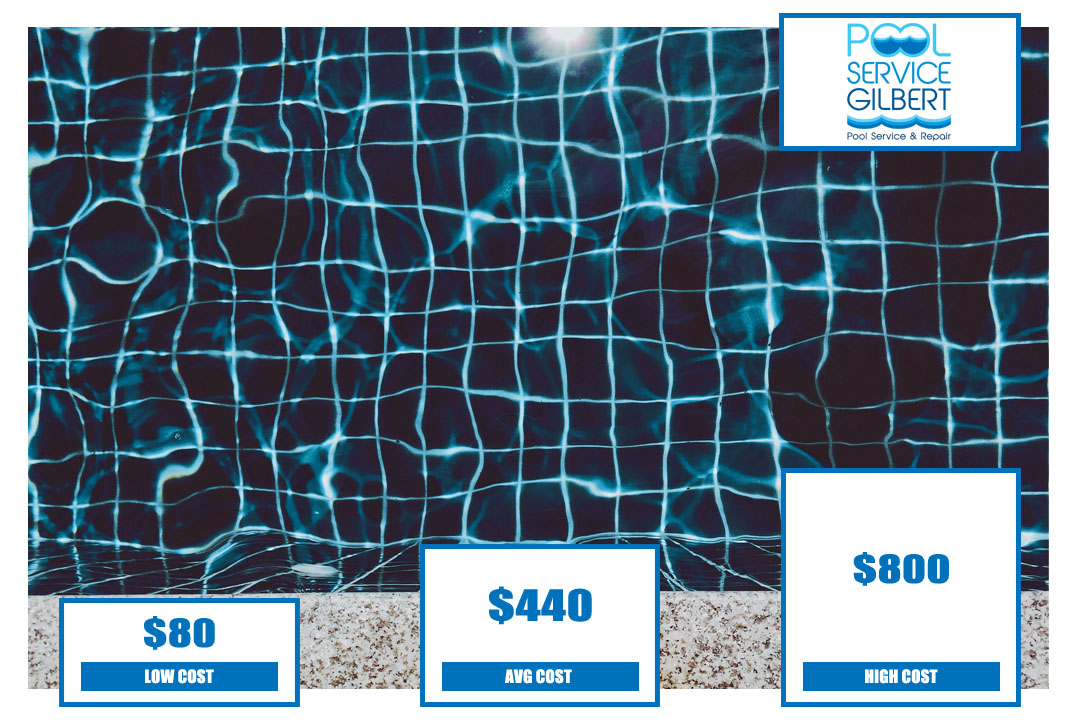
A pool pump replacement costs an average of $440, with prices ranging from $80-$800. These price estimates do include the cost of labor, according to improvenet.com.Â
Pool Pump Replacement Cost
Owning a pool involves routine maintenance, comprising of repairing the pool liner, repairing the pool heater, and replacing the pool pump. Your pool pump is a vital component of the pool’s filtration system, and as time goes on, they wear out. On average, higher quality pool pumps should be replaced every 8 to twelve years. If you do it yourself it includes the cost of the replacement pool pump, which could run from $150 to $800 or more subject to the kind of pump. When you hire a professional, the cost includes the cost of labor, that is an added $80 to $200.
There are five obvious signs to look for when it comes to pool pump repairs, listed above. Rumbling noises should be noticed right away. Excessively-vibrating pumps will create sometimes loud and consistent noises. The most common reason for the noise is a pump coming loose or dislodged. Get this issue fixed right away before it becomes a larger problem. The good news for pool owners is this issue won’t require a costly repair.
Grinding sounds can be confused as rumbling at first. But, there is a big difference between these various sounds. Grinding means your pump needs new bearings. Older bearings can lead to motor overheating. Bearings are typically cheap, but replacing them requires opening the pump. This is a task best left to the pool service professionals.
Even a well-maintained and routinely checked pump will wear out over time. These pool pumps can last between 8 to 12 years. However, many pool owners may notice failure at an earlier age. If your pump is getting up their in age, it’s time to start thinking about repairs and/or replacement.
Bubbles in your pool water may seem innocent, but this is not a good sign at all. Bubbles are a clear indication of an air leak in your pump. Dirty water can result from an air leak and can pose numerous health hazards. Have a pool cleaning service check this issue out immediately.
When Is It Time To Replace A Pool Pump?
There are two elements in pool pumps: the pump device and the motor device. Either one could fail and will need your attention. indicators that it’s time to replace your pool pump comprise of:
Total motor failure
Loud noises coming from the motor
The pump isn’t pumping water, or the pump is leaking
Pool Pump Motor Replacement Cost
If the pool pump is somewhat new (ten years old or less) and the exterior of the pump does not show indications of degradation, just replacing the motor could be a good idea. When the pump has some age to it, and the motor replacement parts are exhausting to track down or when the cost of the motor replacement is higher than 75% of the cost of a total pump replacement, total pump replacement is the route you should take.
If the pump is still under its warranty, then totally replace the pump. Motor replacement is a lot less expensive than replacing the entire pool pump. Replacing the pump yourself costs somewhere between $25 to $200, whereas hiring a professional could cost an additional $40 to $100.
Pool Pump Replacement In Gilbert, AZ
Pool Service Gilbert is a family-owned and operated business that has been serving the valley since 2004. We offer reliable and affordable pool services, including repairs, replacement, equipment installations and more! Our service area includes Ahwatukee, Chandler, Gilbert, Mesa, Phoenix and Tempe, Arizona. Contact us right here for your upcoming pool service needs! Call us at 480-748-3022 for more information.

The average price to install an inground pool in Arizona is $20,656. Costs will range from $10,863-$31,241 in Phoenix, AZ, according to Homeadvisor.
However, there are several different factors that could influence overall costs.
How Much Does A Pool Cost?
Inground pools will generally cost more to install than an above-ground pool. Above-ground models will cost anywhere from $700-$3,600. Custom pools will, of course, cost more than any other models, with prices going upwards of $100,000. Always compare quotes from local pool suppliers to receive the best deal possible.
Pool Cost Factors
The first factor that could inflate the bottom line is exactly how much it will cost for construction of the pool area. That very much depends on the type of material the installers are working with. For instance, fiberglass will cost between $20,000-$37,000, while concrete construction costs anywhere from $35,000-$65,000.
Building an above-ground pool can be considerably cheaper than an inground model. The building of the above-ground pool will run between $1,500-$15,000. The above ground pools will not add the same value to your home as an inground pool will, though. Plus most homeowners prefer the look of inground pools.
Perhaps you are still thinking about whether you should invest in a lap or endless pool. With labor costs, lap pools run between $40,000-$60,000. Endless pools tend to be much shorter than lap pools, and cost approximately $23,000-$40,000.
Inground Pool Costs In Arizona
Total costs for inground pools will very much depend on materials used for construction. These are typical prices based on material:
Concrete: $50,000-$100,000
Vinyl Liner: $25,000-$65,000
Fiberglass: $40,000-$85,000
Saltwater Vs Chlorine Pool Costs
Saltwater pools come with heavy upfront costs, including the installation of a saltwater generator. This costs between $400-$1,800. Installation fees could tack on an additional $400. Yearly salt and chemical costs could total $100. Meanwhile, chlorine pools could require up to $800 per year in chemical costs.
Pool Costs By Location
Are you looking to compare pool costs in Phoenix, Arizona to other big cities in the country? Here are a few average costs:
Miami, Florida: $17,550-$38,600
Dallas, Texas: $12,000-$28,200
New York, New York: $17,000-$33,700
San Diego, California: $15,300-$36,900
Las Vegas, Nevada: $22,300-$135,000
All average costs are according to Home Advisor.
How Much Does A Pool Cleaning Service Cost?
The average pool service costs in the Phoenix, AZ area range from $85 to $125 per month. Typically, any pool owner can expect to pay around $105 per month for cleaning services. Use this post to help determine a budget for any upcoming pool services you may need in the future.
Pool Service Phoenix
Pool Service Gilbert is a family-owned and operated business that has been serving the valley since 2004. We offer reliable and affordable pool services, including repairs, equipment installations and more! Our service area includes Ahwatukee, Chandler, Gilbert, Mesa, Phoenix and Tempe, Arizona. Contact us right here for your upcoming pool service needs.
Routine pool maintenance is crucial in keeping a pool healthy. This article will provide you with checklists and instructions for pool maintenance tasks.
Weekly pool maintenance is crucial to keep your pool water clean, clear, and safe for swimming. Regular maintenance helps prevent issues such as algae growth, cloudy water, and the buildup of debris. Here is a general guide to weekly pool maintenance tasks:
Skim the Surface:
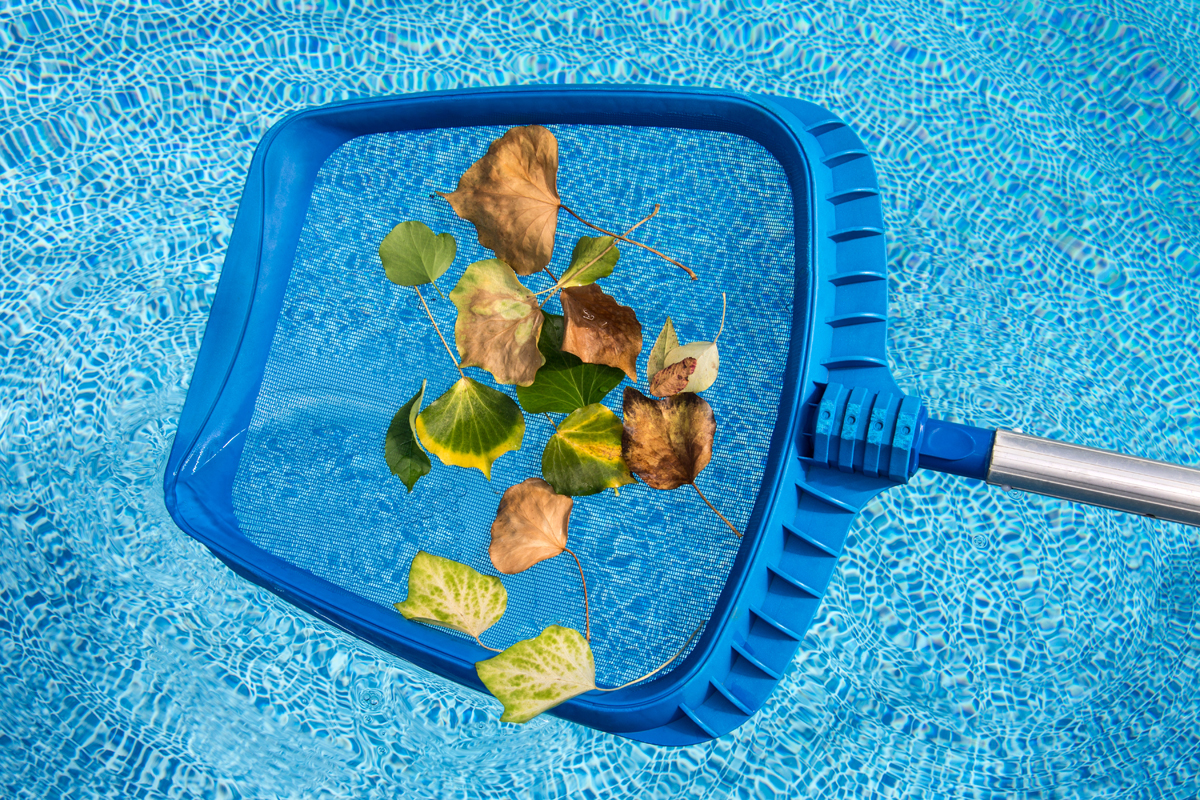
Use a skimmer net to remove leaves, debris, and any floating objects from the water’s surface. This helps prevent the debris from sinking to the bottom and causing water quality issues.
Empty Skimmer and Pump Baskets:
Clean out the skimmer basket and pump basket to ensure proper water flow and circulation. This helps the filtration system operate efficiently.
Brush the Walls and Floor:
Use a pool brush to scrub the walls and floor of the pool to prevent the buildup of algae and other contaminants. Pay attention to areas with low circulation, such as steps and corners.
Vacuum the Pool:
Depending on the pool type, use a manual vacuum or an automatic pool cleaner to remove debris and sediment from the pool floor. Vacuuming helps maintain water clarity and cleanliness.
Check and Adjust Water Chemistry:
Test the pool water using a test kit to check the pH, chlorine levels, alkalinity, and calcium hardness. Adjust the chemical levels as needed to maintain proper water balance. Ideal levels are:
pH: 7.2 to 7.6
Free chlorine: 1.0 to 3.0 ppm
Total alkalinity: 80 to 120 ppm
Calcium hardness: 200 to 400 ppm
Shock the Pool:
Regularly shock the pool with a chlorine shock treatment to kill bacteria, break down contaminants, and eliminate chloramines. Follow the manufacturer’s instructions for the appropriate shock treatment for your pool size.
Inspect the Pool Equipment:
Check the pool equipment, including the pump, filter, and heater, for any signs of damage or leaks. Ensure that all equipment is functioning properly.
Monitor Water Level:
Maintain the appropriate water level in the pool. If the water level is too low, it can strain the pump, potentially causing damage. If it’s too high, skimmers may not function effectively.
Backwash the Filter:
If you have a sand or DE (diatomaceous earth) filter, backwash it to remove trapped debris and maintain optimal filtration. Follow the manufacturer’s guidelines for backwashing.
Inspect and Clean the Pool Deck:
Check the pool deck for any debris or hazards. Clean the deck and surrounding areas to prevent dirt and debris from entering the pool.
Inspect Pool Cover:
If you have a pool cover, inspect it for damage and clean it if necessary. A clean cover helps prevent debris from entering the pool.
Keep an Eye on Water Level:
Ensure that the water level in the pool is maintained at the appropriate level. Add water if needed to prevent damage to the pump and skimmer.
Remember that the specific tasks may vary based on factors such as the pool type, climate, and local conditions. Regular, proactive maintenance is key to preventing larger issues and ensuring a clean and enjoyable swimming experience.
Pool Cleaning
Even though you may already possess tools like pool brushes, vacuums and skimmer nets, you will still need to physically clean the pool. The pool water needs to be skimmed for any debris, plus the surface should be brushed to prevent algae growth. The bottom of the pool should be vacuumed to pick up any debris that may be present. Automated pool cleaning systems can ease the burden of pool owners, but regular skimming and brushing are still necessary.
Water Circulation
Good water circulation can make life very difficult for algae and other contaminants. Pool pumps and filter systems can keep the pool water from becoming stagnant and promoting algae growth. Pool pumps should always run from 10-12 hours per day. The more the water circulates, the cleaner the water will be, overall. Backwashing your filter when the pressure is high will help improve circulation, as well.
Water Chemistry
Maintaining the proper water chemical balance is just as important as any physical cleaning tasks. The word balance is especially important, since dumping lots of chemicals into the pool will not be effective. The pH of any pool water should be between 7.4-7.6. The alkalinity, meanwhile, should be between 80-120 ppm. Sanitizer levels will differ based on applicable codes and pool types. Shocking the pool at night will certainly aid the circulation process.
Pool Service Gilbert is a family-owned and operated business that has been serving the valley since 2004. We offer reliable and affordable pool services, including repairs, equipment installations and more! Our service area includes Ahwatukee, Chandler, Gilbert, Mesa, Phoenix and Tempe, Arizona. Contact us right here for your upcoming pool service needs!