
Common Pool Problems
Written by webtechs

Common Pool Problems

Common Pool Problems

There are approximately 10.4 million residential pools in the US. Whereas swimming pools are ideal for hot summer days and backyard parties, however, they also come with some undesirable headaches. It’s essential to realize common pool issues that every pool owner will face. By recognizing what to look for and how you can care for your pool correctly, you will have an immaculate swimming pool that can be appreciated all year. Here are some common pool issues you should know about, and what to do about them.

The Growing of Algae

A pool in good health should have a clear/bluish hue. But we have all seen pools that look murky, green, and totally un-swimmable. Pools that are green in color are most likely overrun with dangerous algae, which is the most typical pool issue that homeowners face. Algae usually infects pools that have chlorine levels that are too low. If your pool is starting to turn green, it’s wise to hire a professional pool maintenance company to eliminate the algae. After that, you should boost the amount of chlorine you put in your pool for the prevention of future algae infection.

Excessive Chlorine

Whereas chlorine is perfect for keeping algae from growing in your pool, excessive chlorine could be just as troublesome as algae. When you get intense eye irritation or find it hard to see underwater, you might have excessive chlorine levels in your pool. The best way to know how much chlorine your pool has is by measuring it with test kits, strips and readers making sure those levels stay unchanging.

Clogged Pool Filter

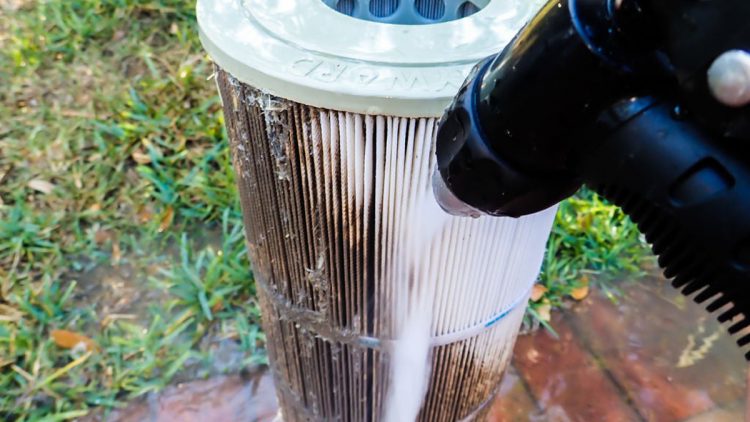
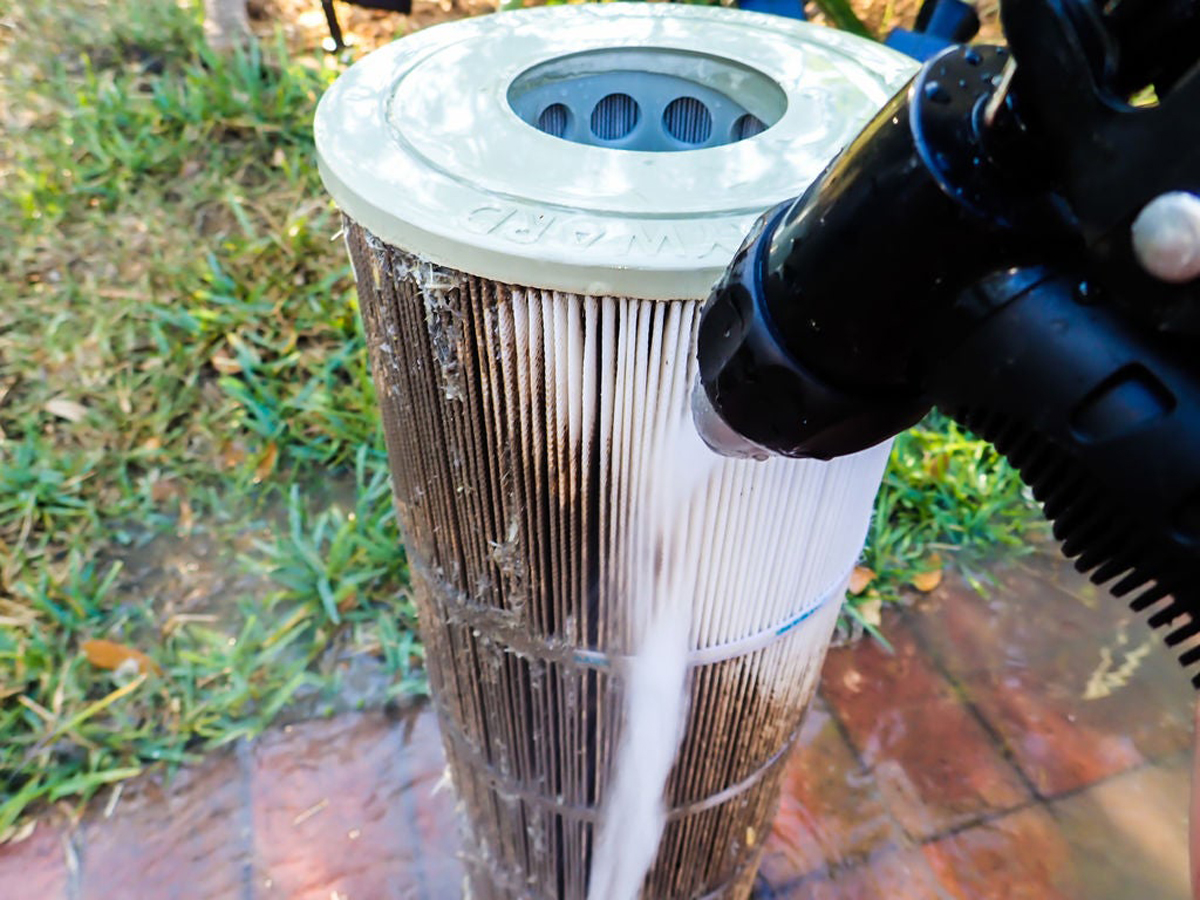
The pool circulates pool water, and that circulation could be interrupted if the pool filter gets clogged. Pool filters get clogged when the pool isn’t cleaned routinely. Debris such as dirt, tree leaves, insects, and can clog up your pool filter making it inefficient. When you notice the pool has a significant amount of debris than usual, check the filter. If the filter is clogged, just cleanout out the filter and clean the pool. For future prevention of filter clogs, try and clean your pool routinely and clear out any debris.

Substandard Circulation

Substandard circulation could be brought on by clogged pool filters, but also from various other issues you should have knowledge about. When you discover that your pool is not circulating correctly but the filter is clear, you might have a blown fuse or other electrical issue. One other reason the circulation is substandard could be because of a hole in the airline. When your pool airline is leaking because of holes, your pool won’t circulate any longer. Hire a pool repair company right away for repairing any airline or electrical damage that’s hindering pool circulation.

Say Farewell to Swimming Pool Problems!

Do not let your swimming pool become un-swimmable during the hotter months. Take preventive measures and realize when to acknowledge common pool issues.

Pool Service Gilbert

Pool Service Gilbert is a family-owned and operated business that has been serving the valley since 2004. We offer reliable and affordable pool services, including cleaning, replacement, repairs, equipment installations and more! Our service area includes Ahwatukee, Chandler, Gilbert, Mesa, Phoenix and Tempe, Arizona. Contact us right here for your upcoming pool service needs!

More Articles About Pool Care

How To Backwash A DE Filter
Written by webtechs

How To Backwash A DE Filter

How To Backwash A DE Filter

If you are searching for “how to backwash a de filter“, we’re here to provide you with a step-by-step guide. Backwashing a DE (diatomaceous earth) filter means you are reversing water flow in order to clean out any dirt or debris that has accumulated over time.

What Is A DE Filter?

DE is skeletons of fossilized single cell organisms called diatoms. A white powder is added to the filter, creating a DE cake. This latches itself onto the grid inside of the filter. The cake is what is utilized to filter out any fine particles that have entered the area. Typically, DE filters do have a lot of maintenance needs, but they are the most effective filters on the market today.

How To Backwash DE Filter

Follow these steps to backwash your DE filter:

  • Turn the power to the filter system off, then turn the multi-position valve to “backwash” or pull open to twist the pull or push valve on the backwash gate, if necessary.
  • Turn the filter system on and let it run for a good two minutes. This will wash the water out of the backwash port or valve. 
  • Shut the filter system down after a few minutes of running. If you have a multi-position valve, turn it to rinse and let the filter run again for another minute. 
  • Turn the system off one more time and turn the multi-position valve to filter. Then shut the pull or push valve completely.
  • Turn the filter on, adding more DE powder to the skimmer basket. 
  • Make sure you have read/followed the filter instructions before adding the DE powder.

When Should You Backwash A DE Filter?

Once your meter goes up by 9-10 pounds beyond normal starting pressure, it is indeed time to backwash the DE filter. For example, if the starting pressure is 10psi and it now reads 20psi, a backwashing is necessary. It never hurts to backwash the filter early, simply as a preventative measure.

How Often Should You Backwash The Filter?

As mentioned above, your DE pressure gauge will let you know when the time is right for a backwash. The pressure gauge is there to notify you when the pressure is too high. Pressure typically builds up due to dirt and debris collection within the filter. The more debris present, the higher the pressure will go.

How Much DE Should You Add After Backwashing The Filter?

Begin by figuring out the square footage of your filter. This information should be located on the side of the tank. If you cannot find it, search online or contact the manufacturer. DE is generally measured in pounds, so possessing a 1-pound DE scoop is a good idea. If you do not have this scoop, try using a 1-pound coffee can instead.

How To Backwash Hayward DE Filters

Turn the Hayward system off and twist the backwash valve until it is open. Use the bump handle to bump the filter 15 times. Perform this task slowly. Keep the valve open, then turn the system back on and let it run for a couple minutes. Then turn the system off again and repeat the same steps. Finish by turning the system down and closing the valve. Add more DE powder to your skimmer basket and start the system up again.

Pool Filter Service In Gilbert, AZ

Pool Service Gilbert is a family-owned and operated business that has been serving the valley since 2004. We offer reliable and affordable pool services, including repairs, replacement, equipment installations and more! Our service area includes Ahwatukee, Chandler, Gilbert, Mesa, Phoenix and Tempe, Arizona. Contact us right here for your upcoming pool service needs! Call us at 480-748-3022 for more information.

How To Drain A Pool
Written by webtechs

How To Drain A Pool

You should drain your pool once every few years. This will guide you through the draining process in five simple steps.

How To Drain A Swimming Pool In 5 Steps

Here are five steps to follow when a draining a pool yourself:

Step 1: Install A Submersible Pump

A regular pool pump is not good enough for this task. Regular pumps are designed to suck in water, so as soon as the pool begins to drain, the pump will take in air instead. This could lead to permanent pump damages. Renting or purchasing a submersible pump is worth the investment here.

First, make sure your power cord is long enough to reach from the bottom of the pool all the way to the outlet. Then, place the submersible pump on the floor in the middle of the deep end. It is safer to avoid using an extension cord.

The pump will have a hose connected to it, so place the other end of the hose wherever you decide to drain the water. Again, make sure the hose is long enough to reach the desired area.

Step 2: Begin Draining Pool

Turn the pump on and begin the draining process. Stay in the area, constantly monitoring this process just in case any problems arise. You are there to protect against any potential house floods.

Step 3: Remove The Pump

At a certain point in the draining, the water level will be so low that the pump is no longer needed. This is completely normal, so turn off and remove the pump from the pool.

Step 4: Open Relief Valves

Ease the pressure of the underground water by opening the hydrostatic relief valves.

Step 5: Make Sure Pool Is Completely Drained

Make sure every drop of water is completely gone. Now is the time to proceed with any desired projects you may have planned, such as repairs or a full painting of the pool area.

Why Should I Drain My Pool?

A complete pool draining is only typically needed once every few years. However, there are certain situations that will call for a draining.

Resetting your water’s chemical balance is one reason why many homeowners choose to drain a pool. General pool maintenance could require a draining, as well. Tasks like cleaning metal stains, calcium deposits or even putting on a fresh layer of paint will make a draining necessary.

When Is The Best Time To Drain A Pool In Arizona?

The best times to drain your pool in Arizona are during the fall and winter months. These seasons will stretch from October 1st to February 28th.

It is not recommended to drain your pool during the hot Arizona summer months. Doing so during this season can create potential risks to your pool’s well being. So much heat without any moisture can make the pool floors crack.

Draining a pool during the summer can also hurt the desert environment. The drained water will evaporate quickly and not go to the lawn, plants or wildlife that desperately needs the nutrients.

Pool Service Phoenix

Pool Service Gilbert is a family-owned and operated business that has been serving the valley since 2004. We offer reliable and affordable pool services, including repairs, equipment installations and more! Our service area includes Ahwatukee, Chandler, Gilbert, Mesa, Phoenix and Tempe, Arizona. Contact us right here for your upcoming pool service needs.

More Articles About Pool Care

Why Is My Pool Green
Written by webtechs

Why Is My Pool Green?

Why Is My Pool Green

There is nothing quite like owning and enjoying a backyard swimming pool. Yet, for all the benefits, there can be a few downsides. One of the downsides is a green coloring in your water. What is this and how can you fix it? Follow our guide below.

Why Is My Pool Water Green?

The green discoloration you are seeing in your pool water is a direct result of algae growth. This, unfortunately, can grow and spread very quickly within a pool. On a very hot day, commonplace in Arizona, a small algae infection can escalate quickly. Typically, an imbalance of chlorine is responsible for starting the algae growth.

Whenever the chlorine levels drop for just 24-48 hours, a green pool can be created. Therefore, checking the chlorine levels frequently is essential for any pool owner. The good news is it’s not too late if your pool is already green! Use the steps below to return your pool to its sparkling blue color.

How To Clean A Green Pool

Follow these five maintenance steps to clean your green pool:

Step 1. Remove Organic Debris

This should be obvious because organic debris such as leaves, branches, insects, and anything else that has fallen into the pool will start to break down and circulate bacteria. By taking out organic debris initially, it will make things easier on the pool’s filtration system and guarantees that any pool chemicals added won’t be hindered by debris in addition to speeding up the breakdown of debris in the pool. This will also provide the additional benefit of stopping or at least decrease the growth of any algae spores presently in the water. Be wary to not disrupt the water too much because this could cause bacteria to circulate.

Step 2. Assess Pool Water Chemistry

Following that, you would want to utilize a pool testing kit to get a benchmark for your pool chemistry such as this one to look for bromine, acid demand, chlorine, pH, and entire alkalinity. When necessary you can take a sample of your pool water and have it tested at your local pool store, but they suggest getting a water sample 12 to 18 inches below the water’s surface and to get a sample in the morning before the sun has a chance burn off the chlorine.

Step 3. Shock Pool Water

To correctly shock a pool, you’ll need to know how to shock a pool properly and what occurs when doing so. Even though it is known as “shocking” a pool, basically you are increasing the chlorine levels of the pool above what common levels should be at. This assists in killing any leftover bacteria in addition to algae that might still leftover following the removal of the organic debris. You should note, this will typically turn the water cloudy, but it should clear up within 24-48 hours. It is recommends shocking a pool at nighttime to bypass UV interference and that pH levels need to be between 7.2 to 7.4 for the ideal results.

Step 4. Pool Filter And Vacuum

Following your pool being shocked and the algae dying off because of the shock or the algaecide it’s now the time to filter and vacuum your pool. By vacuuming the pool prior to running the filter you’re making the job smoother on the cartridge, sand, or Diatomaceous Earth filter because when not done correctly you might need to have a professional replace your pool pump. A lot of pool professionals agree to run pool filter for no less than 24 hours continuously and to backwash the filters to stop clogs from entering the filtration system.

Step 5. Perform Routine Maintenance

After all your hard work is done and your pool isn’t green or cloudy anymore it is time to concentrate on a routine daily, weekly, and monthly maintenance regime. Or when you’re new to pool maintenance you can consult this Beginner’s Guide to Swimming Pool Maintenance for additional reading. Make sure you are backwashing your filters routinely in addition to skimming any debris that might have fallen in the pool too.

Pool Maintenance In Gilbert, AZ

Pool Service Gilbert is a family-owned and operated business that has been serving the valley since 2004. We offer reliable and affordable pool services, including repairs, equipment installations and more! Our service area includes Ahwatukee, Chandler, Gilbert, Mesa, Phoenix and Tempe, Arizona. Contact us right here for your upcoming pool service needs!

More Articles About Pool Care

How to Prepare Your Gilbert, Arizona Pool for Winter
Written by webtechs

Pool Maintenance For Beginners

How to Prepare Your Gilbert, Arizona Pool for Winter
Routine pool maintenance is crucial in keeping a pool healthy. This article will provide you with checklists and instructions for pool maintenance tasks.

Pool Cleaning

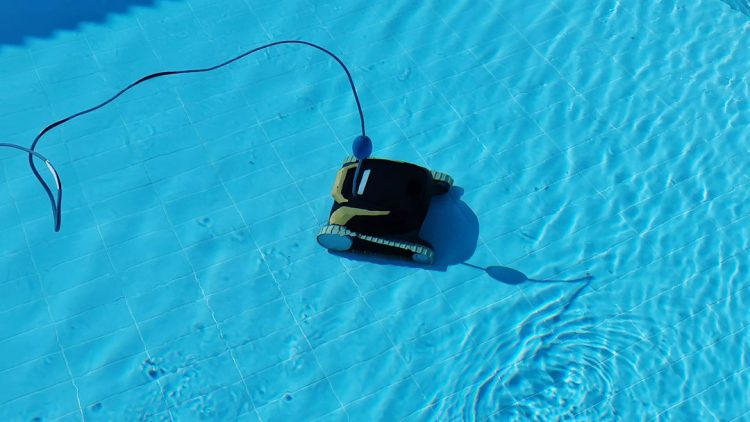
Even though you may already possess tools like pool brushes, vacuums and skimmer nets, you will still need to physically clean the pool. The pool water needs to be skimmed for any debris, plus the surface should be brushed to prevent algae growth. The bottom of the pool should be vacuumed to pick up any debris that may be present. Automated pool cleaning systems can ease the burden of pool owners, but regular skimming and brushing are still necessary.

Water Circulation

Good water circulation can make life very difficult for algae and other contaminants. Pool pumps and filter systems can keep the pool water from becoming stagnant and promoting algae growth. Pool pumps should always run from 10-12 hours per day. The more the water circulates, the cleaner the water will be, overall. Backwashing your filter when the pressure is high will help improve circulation, as well.

Water Chemistry

Maintaining the proper water chemical balance is just as important as any physical cleaning tasks. The word balance is especially important, since dumping lots of chemicals into the pool will not be effective. The pH of any pool water should be between 7.4-7.6. The alkalinity, meanwhile, should be between 80-120 ppm. Sanitizer levels will differ based on applicable codes and pool types. Shocking the pool at night will certainly aid the circulation process.

Weekly Maintenance Checklist

  • Check the water for clarity/color change.
  • Remove any debris from the pool area.
  • Empty skimmer and pump strainer baskets.
  • Vacuum pool or run pool cleaner.
  • Check filter pressure and backwash.
  • Check water level.
  • Test the salt concentration level.
  • Test the free chlorine level.
  • Test the pH level, adjust if necessary.

Monthly Maintenance Checklist

  • Test the Total Alkalinity (TA).
  • Test the Stabilizer or Cyanuric Acid level.
  • Test the Total Dissolved Solids level.
  • Test the Calcium Hardness level.
  • Test to see if hard materials are present, such as copper or iron.

Yearly Maintenance Checklist

  • Perform proper closing or winterizing steps, if needed.
  • Clean the salt cell and store inside.
  • Perform proper opening steps in the spring.

Pool Maintenance In Gilbert, AZ

Pool Service Gilbert is a family-owned and operated business that has been serving the valley since 2004. We offer reliable and affordable pool services, including repairs, equipment installations and more! Our service area includes Ahwatukee, Chandler, Gilbert, Mesa, Phoenix and Tempe, Arizona. Contact us right here for your upcoming pool service needs!

More Articles About Pool Care

How to lower chlorine levels
Written by webtechs

How To Lower The Chlorine Levels In Your Swimming Pool

How to lower chlorine levels

The following are 5 easy ways in order to lower the chlorine levels in your swimming pool. Utilize these steps to guarantee a safe and effective process.

Ways To Lower Chlorine Levels

Follow the following 5 steps to lower the chlorine levels in your pool:

  • Don’t add more chlorine
  • Removal of pool cover
  • Utilize the light of the sun
  • Utilize Hydrogen Peroxide
  • Drain a little water, then refill pool water

Step 1: Don’t Add Chlorine

The first way is also the most straightforward: if you want to lower your chlorine levels, do not add any more chlorine to your pool. When you have a feeder, chlorinator, or a saltwater chlorine generator, turn them off and allow the levels get back to normal. If chlorine levels are only a little above normal level, this technique works successfully and efficiently.

Step 2: Remove Pool Cover

Removing the pool’s cover is one other easy way to help in lowering chlorine levels. Remove the pool cover and let the pool water take in the sunshine. This is a well-known method to lower the levels in a very short period of time.

Step 3: Utilize Sunshine

This step is associated directly to removing your pool cover. This needs to be done so the sun can do its thing on your swimming pool. Pool owners are encouraged to take advantage of sunny days, so when you have a pool in an area such as Arizona you certainly have an added benefit when trying to reduce chlorine levels. Exposing pool water to at a minimum of two hours of day to day sunlight can decrease chlorine levels by almost ninety percent, as reported by BackyardPool.

Step 4: Use Hydrogen Peroxide

This chemical is a strong oxidizer that reacts with chlorine, creating water and oxygen. If you see effervescent bubbles in your pool, this means the peroxide is working. Make sure you use pool peroxide, not regular peroxide that is only for pools to guarantee the best outcome. Peroxide designed for home use is not going be as effective. Hydrogen peroxide works ideally at pH levels higher than 7.

Step 5: Drain Some Water, Then Refill Pool

Draining a little water, then refilling the pool is always optional. It’s recommended to drain just about half of the pool’s water. To refill, use 1 or 2 hoses to run water on each side. Test the levels, adjusting as you go also giving the chlorine levels a little time to get back to normal.

Is There Too Much Chlorine In My Pool?

Dry hair, dried out skin and irritated eyes are all indicators of too much chlorine in your pool. The easiest way to test the levels by yourself is by using a DPD testing kit. This measures free and mixed chlorine levels to give a precise chlorine count

Pool Maintenance In Gilbert, AZ

Pool Service Gilbert is a family-owned and operated business that has been serving the valley since 2004. We offer reliable and affordable pool services, including repairs, equipment installations and more! Our service area includes Ahwatukee, Chandler, Gilbert, Mesa, Phoenix and Tempe, Arizona. Contact us right here for your upcoming pool service needs!

More Articles About Pool Care

How To Level Ground For Pool Without Digging
Written by webtechs

How To Level Ground For Pool Without Digging

How To Level Ground For Pool Without Digging

Is it possible to level the ground for your future pool without digging? It certainly is! Find out how below.

Leveling The Ground For A Pool Steps

If you happen to live on land that is uneven, you may find yourself with a pool that is unnaturally deep on one end. This can be a very dangerous situation, especially for young children. You’ll want to make sure your pool area is level.

Follow these 9 steps to level the ground yourself:

Step 1

  • Make sure the ground is level within 2 inches from the shallow to the deep end.
  • To check this, screw two 2-by-4 boards together.
  • Have the boards alongside one another so they are 1-2 feet longer than the diameter of the pool.

Step 2

  • Lay the boards on the ground where the pool will eventually be.
  • Put a level on top of the boards.
  • Carefully lift and lower one side of the boards until it shows level.
  • Measure the distance from the bottom of the board to the ground.

Step 3

  • Drill a hole in the middle of the 2-by-4.
  • The hole should be about 3/8 of an inch.
  • Put a metal rod through the hole, which will secure the boards to the ground.
  • Pour some sand over the area with the majority of the sand covering the low range of your pool.
  • Add as much sand as necessary.
  • Rotate the boards until the sand is completely level.

Step 4

  • Next, wet the sand using a tamper until the sand is compact and hard.
  • Try to leave no impressions at all in the ground during this step.

Step 5

  • Drive a metal stake into the center where the future pool will be.
  • Always check local codes before attempting this process.
  • Some municipalities may require pools to be a certain distance from property lines or buildings.

Step 6

  • Take a piece of string at least 6-inches longer than the pool’s radius and tie it to the aforementioned stake.
  • Tie a can of spray paint to the loose end of that string.
  • Then pull the string out to the grass.
  • Mark the grass at the 6-inch mark, where it needs to be leveled.
  • Remove all loose grass or debris from the area at this time.

Step 7

  • Clean the area and assemble your wooden plank level.
  • Get a 1-by-6 inch plank of wood at least 6 inches longer the pool’s radius.
  • Duct tape a 4-foot level to the plank, which will be centered on one of the 1-inch sides.
  • Hammer a 4-inch nail into the 1-inch side of the plank, which is opposite the carpenter’s level.
  • Remove the metal stake.
  • Hammer a 2-inch steak, flush in the ground, into its place.
  • Drive the plank’s 4-inch nail into the middle of the 2-inch stake.
  • This is done to make it possible to pivot around the pool area.

Step 8

  • Now find the lowest point of the pool.
  • You must bring the rest of the pool down to this level.
  • Pivot the plank surrounding the pool area and level it continually.
  • Do this until you are pivoting 360 degrees without stopping.

Step 9

  • Spread a layer of crushed limestone over the future pool area.
  • You should wet, tamper and level the limestone into your base.
  • Add soil and limestone until it is completely flush.

Pool Maintenance In Gilbert, AZ

Pool Service Gilbert is a family-owned and operated business that has been serving the valley since 2004. We offer reliable and affordable pool services, including repairs, equipment installations and more! Our service area includes Ahwatukee, Chandler, Gilbert, Mesa, Phoenix and Tempe, Arizona. Contact us right here for your upcoming pool service needs!

More Articles About Pool Care

2025 Pool Light Replacement Costs
Written by webtechs

Pros and Cons of a Saltwater Pool

Pros and Cons of a Saltwater Pool

While salt by itself does have minor abilities of being a cleanser, making a saltwater pool is not as easy as dissolving salt in the pool and leaving it alone. Alternatively, a salt chlorine generator machine is going to convert sodium chloride, or common salt, into chlorine. Having said that, a saltwater pool indeed does contain chlorine. Contrary to a conventional chlorinated pool, nevertheless, saltwater pools create a pure form of chlorine that’s transferred in a controlled way to stop irritating byproducts referred to as chloramines. Salt is added directly to the swimming pool’s water. The pool water gets drawn into the generator, in which it passes through a salt cell. Through the cell, metal blades coated with ruthenium or iridium are electrically charged. Following electrolysis, the water that exits the generator is now chlorinated water.

Pros of Saltwater Pools

  • Little or no chlorine odor
  • Pool water has a smoother and softer feel
  • Lower expense for chemicals
  • No burning or harshness on the skin
  • More safe to store and work with than chlorine
  • Salt is typically freely available and easy to locate

Cons of Saltwater Pools

  • Routine replacement of salt-chlorinator electrode cell
  • High upfront expense of saltwater chlorine generator
  • Bulk salt for chlorinator is heavy, hard to store
  • Routing cleaning of the salt cell
  • Powered by electricity
  • Eats away metal in the pool

Benefits of Saltwater Pools

Saltwater pool users love the feel of the water because it’s silky, smooth, and soft. It feels a lot like swimming in a clean, fresh lake or possibly like swimming in the ocean, without the fishy smell and the all the sand. The pleasant feeling continues following the swim, too. Chlorinated pool users know that harsh post-swim feeling well: dried-up skin; burning eyes; oils of their hair stripped. Following a saltwater pool swim, a user’s skin can feel soft and moisturized, not dried out. Devoid of caustic chlorine, swim wear and towels last longer and retain their colors. After the chlorine generator has been installed and the pool water brought up to its quality requirements, ongoing expenses are somewhat low. Bags of 40-lb pool salt cost $5 – $20. In comparison to 40 lbs. of chlorinating tablets costing $250 to $350 annually, this is a considerable cost saving. Following setup, it’s somewhat simple to keep the pools water clean. Unlike chlorine, salt is easy to locate and is budget friendly. A lot of newer chlorine generators are managed by touch-pad panels or by apps from your tablet or phone.

Pool Service Gilbert In Arizona

Pool Service Gilbert is a family-owned and operated business that has been serving the valley since 2004. We offer reliable and affordable pool services, including repairs, equipment installations and more! Our service area includes Ahwatukee, Chandler, Gilbert, Mesa, Phoenix and Tempe, Arizona. Contact us right here for your upcoming pool service needs.

More Articles About Pool Care

How To Take Care Of A Saltwater Pool
Written by webtechs

How To Take Care of A Saltwater Pool

How To Take Care Of A Saltwater Pool

Do you wish you had a saltwater pool? Want to discover more concerning how to take care of a saltwater pool? You have come to the right site! Pool Service Gilbert is a trailblazer in saltwater decontamination and a professional in saltwater pool maintenance.

Maintaining a Saltwater Pool

For maintaining a saltwater pool, you should keep the pools pump, filter, and its skimmer clean and in good operating status. With these pools, you are required to go over the salt chlorinator cell and have it replaced when required. Test routinely for correct water chemistry for maintaining clean, clear pool water.

Saltwater Pool Chemistry Tips

Using a saltwater pool strip for testing, test the water for salt, pH levels, free chlorine, complete alkalinity, stabilizer, and complete hardness. Use a water chemistry calculator online for helping make those alterations and balance your pools water. After severe weather or times in which the load is higher, like at pool parties, make sure to test again to keep your pool’s water chemistry within adequate levels. After you testing your pool, balance as necessary.

6 Common Saltwater Pool Care Concerns

  1. What’s are the differences between a saltwater pool and a conventional chlorinated one?

In a conventional pool, chlorine is added straight to the pool’s water. Progressions in the pool industry have led to a more streamlined and safer option. Saltwater chlorination is natural and a more handy sanitization method. Salt gets dissolved in the pool and the system then turns it into the perfect amount of chlorine for clear, clean, and lavishly soft water.

  1. Is a saltwater pool maintained easier?

Absolutely, a saltwater pool is easier to take care of! There’s no need to buy, store and add chlorine to the pool. Just add salt made for pools and the pool’s salt chlorinator is going to take care of creating chlorine. Whereas all pools require chemicals to keep the pool water clean and clear, saltwater pools are more balanced than conventional chlorinated pools, so they need less chemicals.

  1. Is a saltwater pool less costly to maintain?

Absolutely, saltwater pools have a reduced expense of operation in comparison to a conventional chlorinated pool. This cost savings is because the chlorine is created from salt and there is no need to purchase chlorine. In addition, saltwater pools require less chemicals to keep the water clear and clean.

  1. Is a saltwater pool, well, salty?

Not a bit! In fact, your pool’s level of salinity is about 1/12 of the salinity in the ocean and a drop from a saltwater pool has less salt than found in human tears. Additionally, saltwater is soft and feels really nice on your family and guest’s skin!

  1. How much salt does the system require?

Salt Systems work ideally with roughly thirty-two hundred parts per million (ppm) of salt, which is approximately the comparable to a teaspoon of salt per gallon. When salt levels get outside of this range, differing salt systems provide a way (usually an LED light) to signal homeowners to the need to modify their salt level.

  1. What happens if my saltwater pool is cloudy?

Without regard to pool type, cloudy pool water is usually a sign of a chlorine insufficiency or inadequate circulation and filtration. Make sure to identify the issue by first checking your pool’s chemistry and then adjusting the chemistry as required. In saltwater pools, the salt level may be poor or there might be a problem with the pool’s salt chlorinator. Keep the filter of the pool clean and run the system so that all the water is turned over daily.

Pool Service Gilbert In Arizona

Pool Service Gilbert is a family-owned and operated business that has been serving the valley since 2004. We offer reliable and affordable pool services, including repairs, equipment installations and more! Our service area includes Ahwatukee, Chandler, Gilbert, Mesa, Phoenix and Tempe, Arizona. Contact us right here for your upcoming pool service needs.

More Articles About Pool Care

How To Clean Pool Tile With Vinegar
Written by webtechs

How To Clean Pool Tile With Vinegar

How To Clean Pool Tile With Vinegar

If you are searching “how to clean pool tile with vinegar” for your backyard pool, then Pool Service Gilbert is here to help!

Pool Tile Cleaning

Dirty pool tiles covered in calcium will make your pool unsightly. Here are a few of the best cleaning methods to use for your pool tiles:

  • Pressure Washer
  • Vinegar
  • Baking Soda
  • Pumice Stone
  • Tile Grout

How To Clean Pool Tile Using Vinegar

Using vinegar is a great way to remove any calcium deposits from your tiles. However, the one drawback to using vinegar is this process can take longer than other cleaning methods.

Begin the process by heating a towel/rag in the microwave before applying vinegar. Molecules in the vinegar will react with calcium, which slowly separates the deposition of calcium from the pool tiles.

Types Of Pool Tiles

These are the main types of pool tiles used by homeowners currently:

  • Mosaic
  • Glass
  • Ceramic
  • Stone
  • Porcelain
  • Handmade
  • Mural
  • Custom
  • Glazed

Common Pool Tile Problems

A pool in good health should have a clear/bluish hue. But we have all seen pools that look murky, green, and totally un-swimmable. Pools that are green in color are most likely overrun with dangerous algae, which is the most typical pool issue that homeowners face.

Algae usually infects pools that have chlorine levels that are too low. If your pool is starting to turn green, it’s wise to hire a professional pool maintenance company to eliminate the algae. After that, you should boost the amount of chlorine you put in your pool for the prevention of future algae infection.

Whereas chlorine is perfect for keeping algae from growing in your pool, excessive chlorine could be just as troublesome as algae. When you get intense eye irritation or find it hard to see underwater, you might have excessive chlorine levels in your pool. The best way to know how much chlorine your pool has is by measuring it with test kits, strips and readers making sure those levels stay unchanging.

Pool Service Gilbert In Arizona

Pool Service Gilbert is a family-owned and operated business that has been serving the valley since 2004. We offer reliable and affordable pool services, including repairs, equipment installations and more! Our service area includes Ahwatukee, Chandler, Gilbert, Mesa, Phoenix and Tempe, Arizona. Contact us right here for your upcoming pool service needs.

More Articles About Pool Care

1 2 3 4 5 6 8